When Should a Baby First Visit the Dentist?
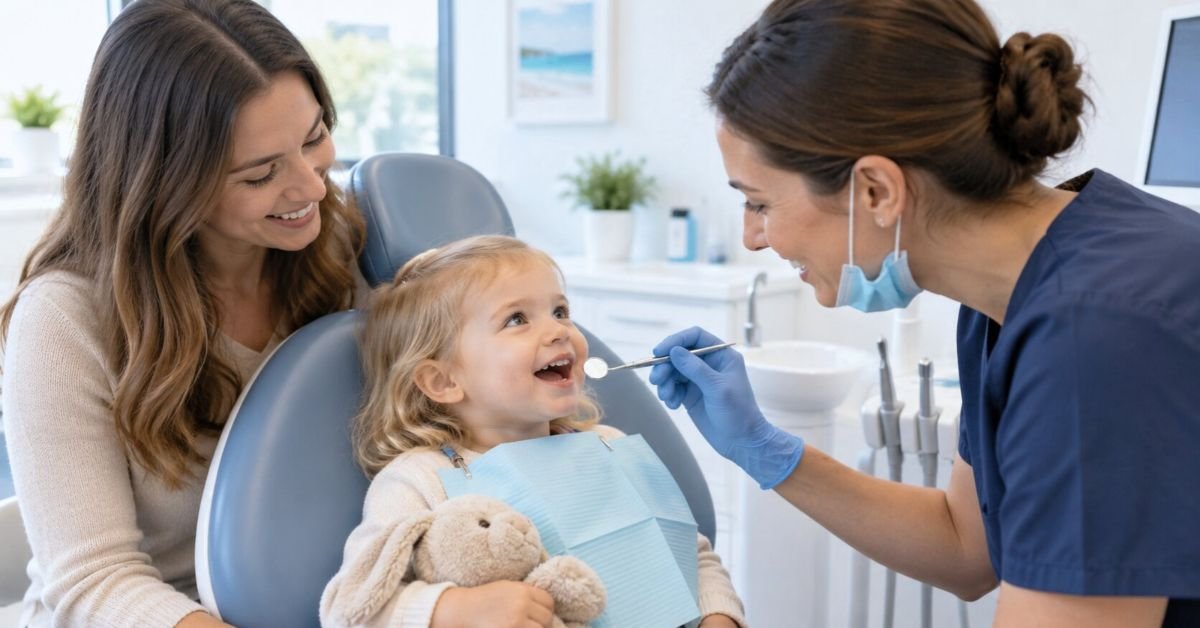
As a parent, you want to give your child the best possible start in life, and looking after their oral health is an important part of that. But when should a child first visit the dentist? In the UK, the NHS recommends taking your child to the dentist when their first milk teeth appear or before their first birthday. You do not need to wait until all their baby teeth have come through.
An early dental visit allows the dentist to check your baby’s developing teeth and gums, provide advice on brushing and fluoride toothpaste, and help you understand how to prevent tooth decay. It also gives your child an opportunity to become familiar with the dental environment from an early age.
Whether you have a teething baby or a toddler approaching their first birthday, arranging a dental appointment early can help establish healthy oral care habits. Parents in Langley and Slough can seek advice from a local dental practice about their child’s developing teeth and preventive dental care.
Remember: You do not need to wait for your baby to experience toothache or another dental problem before arranging their first dental check-up.
Why Is Your Child’s First Dental Visit Important?
Taking your child to the dentist early is about more than checking whether their teeth are healthy. It also helps establish good oral hygiene habits and gives parents the knowledge they need to care for their child’s developing smile.
1. To identify early signs of tooth decay
Tooth decay can affect baby teeth soon after they emerge. A dental examination helps identify early signs of decay and other potential concerns, allowing your dentist to recommend appropriate next steps.
2. To learn how to brush baby teeth correctly
Parents often have questions about when to start brushing, which toothbrush to choose and how much toothpaste to use. Your dentist can explain how to clean your baby’s teeth safely and effectively, helping you establish a consistent daily routine.
3. To receive advice about food and drinks
Frequent exposure to sugary foods and drinks can increase the risk of tooth decay. Your dentist can discuss suitable drinks, mealtime habits and ways to reduce unnecessary sugar exposure.
4. To monitor how your child’s teeth develop
Your child’s mouth changes as new teeth appear and the jaw develops. Regular dental examinations allow the dental team to monitor this development and identify concerns that may need further assessment.
5. To help your child become comfortable with dental visits
A first dental appointment does not need to involve treatment. For many babies and young children, it is an opportunity to become familiar with the dental team and surroundings.
Starting early can help make dental visits a normal part of growing up rather than something associated only with pain or emergencies.
What Happens at a Child’s First Dental Visit?
If you are arranging your baby’s first dentist appointment, it is natural to wonder what will happen during the consultation.
The appointment is usually straightforward and adapted to your child’s age, comfort and individual needs.
Depending on your child’s circumstances, the dentist may:
- Examine the teeth that have appeared and check the gums.
- Look for signs of tooth decay or other oral health concerns.
- Discuss your child’s teething and dental development.
- Explain how to brush your child’s teeth and which toothpaste to use.
- Provide advice about diet, drinks and reducing the risk of decay.
- Answer questions about fluoride and preventive dental care.
- Recommend an appropriate interval for future check-ups.
For a baby or toddler, the examination may be brief. The dentist will explain what is appropriate for your child and may encourage you to help keep them comfortable during the visit.
You can prepare by bringing your child’s usual comfort item, choosing a time when they are generally settled and sharing any concerns with the dental team.
Dentist for a 1-Year-Old: Is It Too Early?
No. A dentist for a 1-year-old is entirely appropriate, and the NHS recommends that children have their first dental visit before their first birthday or when their first milk teeth appear.
By the age of one, some babies may have several teeth, while others may have only a few. There is natural variation in when teeth emerge, so the number of teeth your child has should not be the only factor in deciding when to book.
A first appointment at this age can help you understand:
- How to care for your child’s teeth as more appear.
- How much fluoride toothpaste to use.
- How feeding and drinking habits can affect oral health.
- What to do if your child develops a dental problem.
- When your child should return for their next check-up.
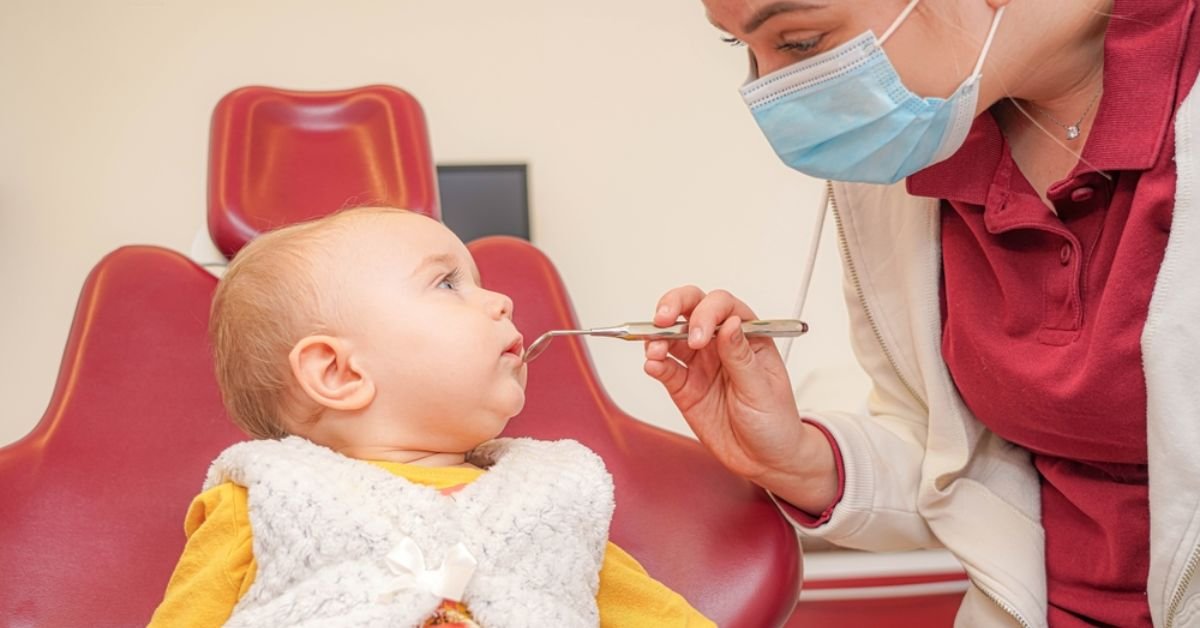
You do not need to wait until your child can sit independently in a dental chair or cooperate like an older child. The dental team can advise on a suitable approach for your baby’s age and needs.
If your child is already older than one and has never visited a dentist, arrange an appointment rather than worrying about the delay.
How to Prepare Your Child for Their First Dentist Visit
A little preparation can help make the first dental appointment more comfortable for both you and your child.
Choose a suitable appointment time
If possible, book when your child is usually well-rested and settled. Avoiding their normal nap or meal times may make the visit easier.
Keep the experience positive
Speak about the dentist in a calm, reassuring way. Avoid using words that could make your child associate the appointment with pain or fear.
Bring familiar items
A favourite toy, comfort blanket or dummy, if your child uses one, may help them feel more at ease.
Share your concerns with the dentist
Tell the dental team if your child is nervous, has particular needs or has experienced any difficulties with feeding, teething or brushing.
Start a brushing routine at home
Begin brushing as soon as the first tooth appears. Making brushing part of your child’s morning and bedtime routine helps establish good habits early.
Remember that a baby or toddler may cry, move around or need reassurance during the appointment. This does not mean the visit has gone badly. The dental team can adapt the examination to your child’s needs.
How to Care for Your Baby’s Teeth Before the First Appointment
Good oral care starts before your child’s first dental visit. Once the first tooth appears, establish a gentle brushing routine and continue it as more teeth emerge.
- Brush twice a day: Clean your child’s teeth twice daily, including the last thing at night. Use a small, soft-bristled toothbrush designed for their age.
- Use age-appropriate fluoride toothpaste: For children under three, NHS guidance on caring for children’s teeth recommends a smear of toothpaste containing at least 1,000 ppm fluoride. From age three, use a pea-sized amount of toothpaste containing 1,000–1,500 ppm fluoride. Follow your dentist’s advice if your child has additional dental needs.
- Brush gently and thoroughly: Clean all tooth surfaces using small, gentle movements. An adult should brush for the child and supervise as they grow and develop their brushing skills.
- Choose drinks carefully: Water and plain milk are generally suitable everyday drinks. Avoid regularly giving sugary drinks, and do not put sugary drinks in a baby’s bottle.
- Limit frequent sugary snacks: Try to keep sugary foods and drinks to mealtimes rather than offering them frequently throughout the day.
- Ask your dentist for individual advice: Your dentist can advise you about fluoride, feeding habits and any concerns relating to your child’s teeth.
These daily habits, combined with regular dental check-ups, can help reduce the risk of tooth decay as your child grows.
How Often Should Children Visit the Dentist?
There is no single check-up interval that is right for every child. Your dentist will recommend how often your child should attend based on their oral health, risk of tooth decay, age and individual circumstances.
Children who have a higher risk of dental problems may need more frequent monitoring, while others may be advised to attend at a different interval. Regular check-ups allow the dentist to monitor developing teeth, reinforce brushing and dietary advice, and identify potential concerns early.
Do not wait for the next routine appointment if your child develops toothache, visible decay, swelling or another worrying dental symptom. Contact a dental practice for advice and an appropriate assessment.
Is Dental Treatment Free for Children in the UK?
In England, NHS dental treatment is free for children under 18, and for those under 19 who are in qualifying full-time education. This can help families access necessary dental care without NHS treatment charges. However, appointment availability and the arrangements for accepting new patients can vary between practices.
If you are looking for a children’s dentist in Langley or Slough, contact the practice directly to confirm whether NHS appointments are available and how to arrange your child’s first visit.
If your child has a dental concern, seek advice rather than delaying care because you are unsure about eligibility or appointment arrangements.
Finding a Children’s Dentist in Langley and Slough
If you live in Langley, Slough or the surrounding areas, choosing a local dental practice can make it easier to establish a regular dental care routine for your child.
At Langley Road Dental Practice, located at 162 Langley Road, Langley, Berkshire, SL3 7TG, we provide children’s dental care and preventive advice for families. Our dental team can help monitor developing teeth, discuss brushing and dietary habits, and answer questions about your child’s oral health.
Whether your baby has just developed their first tooth or your toddler is approaching their first birthday, an early dental appointment is a useful step towards maintaining healthy teeth and gums.
