
Composite bonding is a cosmetic dental treatment that can improve the appearance of teeth by adding tooth-coloured composite material to selected areas of the tooth. It can be used to repair minor chips, improve tooth shape, reduce the appearance of small gaps and create a more even-looking smile.
At Langley Road Dental Practice, we provide composite bonding for patients in Langley, Slough and surrounding areas. Your dentist will assess your teeth, discuss your concerns and explain whether composite bonding is suitable for the result you are looking to achieve.
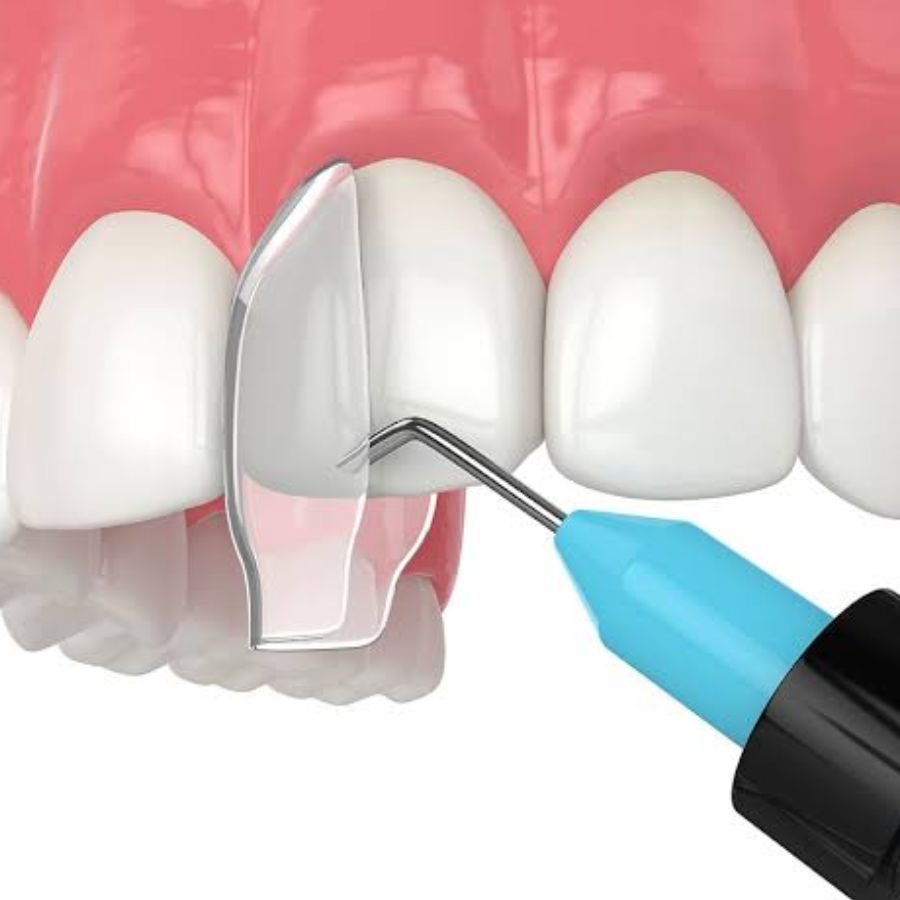
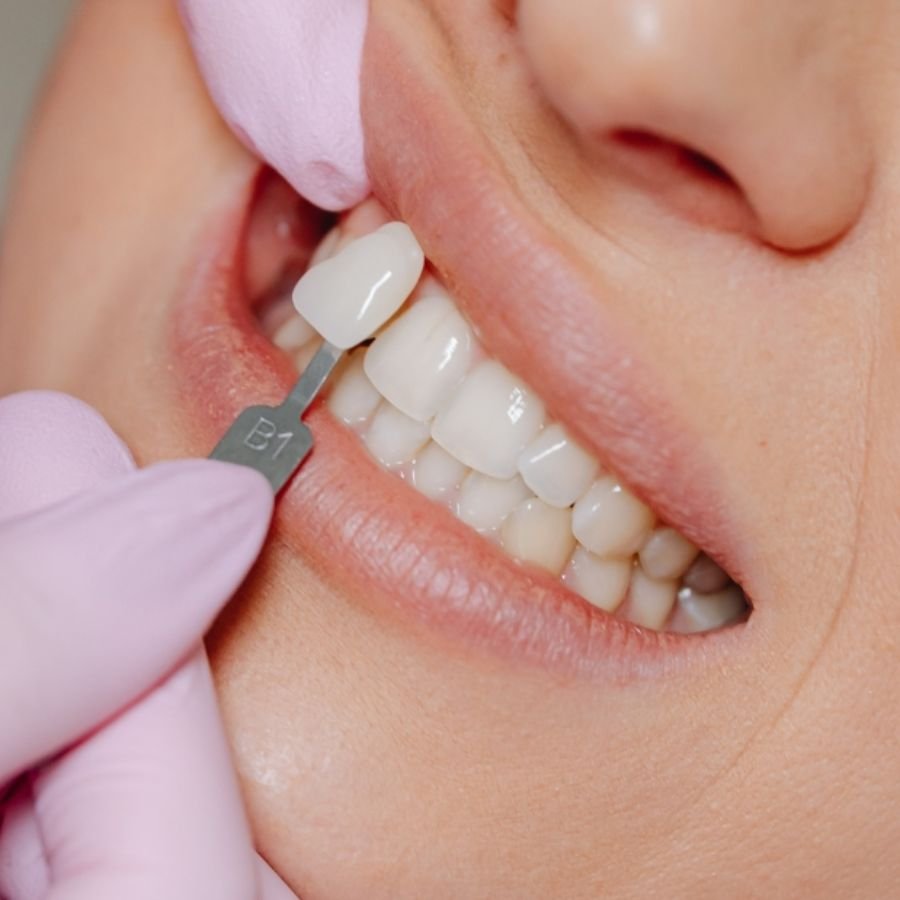
Composite bonding, also known as dental bonding or tooth bonding, uses a tooth-coloured composite resin that is carefully applied to the surface of a tooth. The material can be shaped to improve the size, contour or appearance of the tooth before it is hardened and polished.
Unlike some cosmetic dental treatments, composite bonding can often be carried out with little or no removal of healthy tooth structure. It can therefore be a suitable option for selected minor cosmetic changes.
Composite bonding can be used to address a number of minor cosmetic concerns. Your dentist will assess your teeth and bite before recommending treatment.
Small chips or worn areas can affect the shape of a tooth and make the edges of the teeth look uneven. Composite can be added to the affected area and shaped to restore a more natural-looking contour.
Composite bonding can sometimes be used to reduce the appearance of small spaces between teeth by adding carefully shaped composite to the tooth surface.
Teeth that appear slightly uneven, short or irregular in shape may sometimes be improved with composite bonding.
Composite bonding may also be considered when you want to make subtle changes to the appearance of selected teeth. Your dentist can explain what can realistically be achieved based on your individual teeth.
If you have a cavity, tooth sensitivity or a damaged filling, speak to our dental team now.
Your dentist will examine your teeth and gums and discuss what you would like to change. They will consider your dental health, bite, tooth shape and the condition of the teeth being considered for bonding.
A suitable composite shade is selected to complement your natural teeth. The aim is to create a result that looks appropriate with the surrounding teeth.
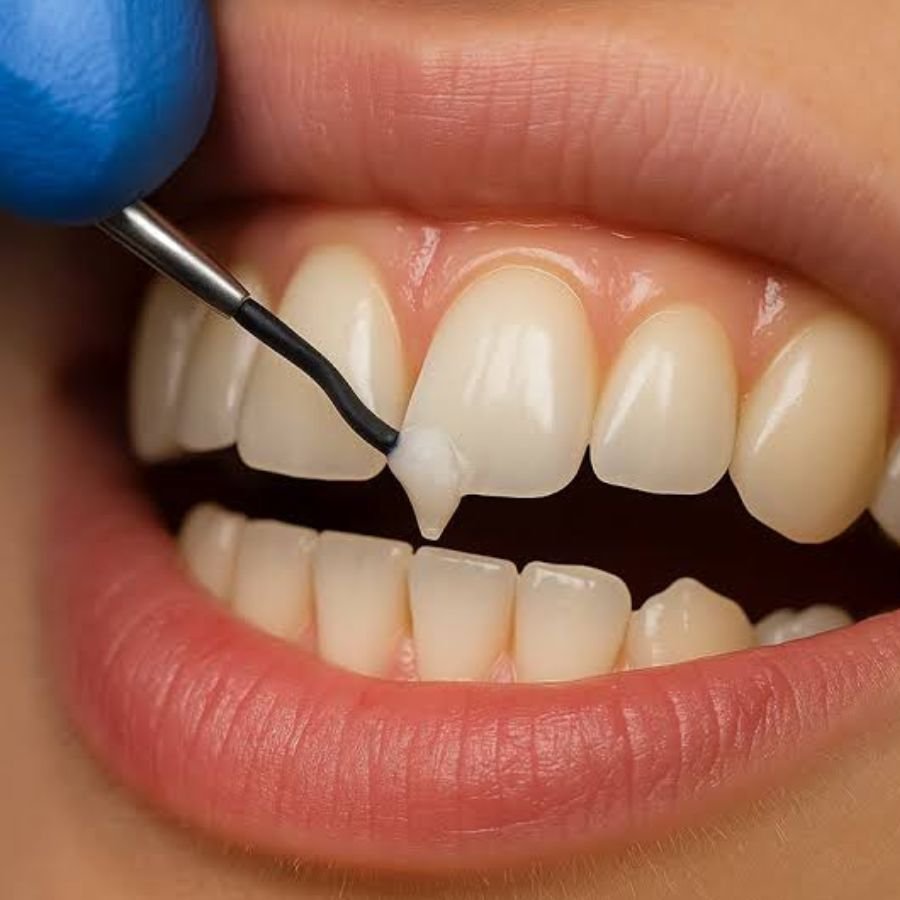
The tooth is prepared for the bonding procedure, and the tooth-coloured composite material is carefully applied. Your dentist shapes the material to improve the appearance and contour of the tooth.
Once the desired shape has been achieved, the composite is hardened and carefully finished. The surface is polished to provide a smooth appearance and help the treated tooth blend with the surrounding teeth.

Composite bonding can be suitable for many minor cosmetic dental concerns, but it is not appropriate for every situation.
Your dentist will first check the health of your teeth and gums.
If there is untreated decay, gum disease or another dental problem, this may need to be addressed before cosmetic bonding is considered.
The condition of the tooth, your bite and any habits such as teeth grinding can also affect whether composite bonding is suitable. Where a tooth has significant damage or requires greater structural support, another type of dental restoration may be more appropriate.
A consultation allows your dentist to assess your individual needs and explain the available options.
For suitable patients, composite bonding can offer several advantages:
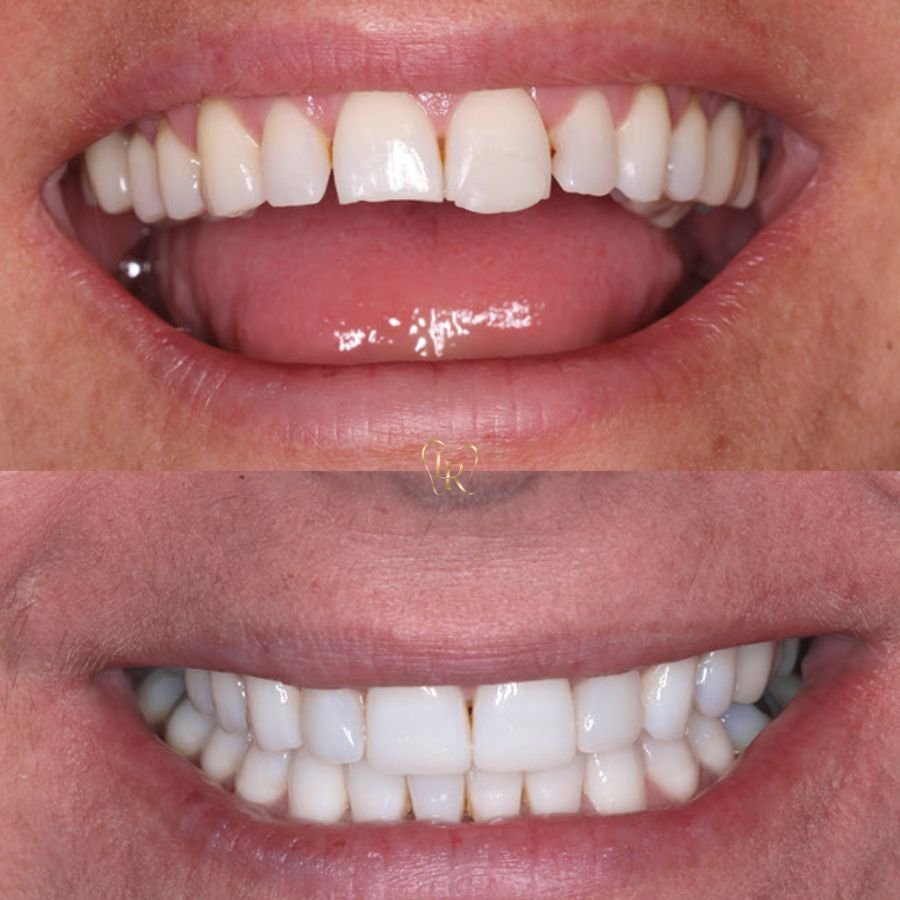
The cost of composite bonding depends on several factors, including the number of teeth being treated, the amount of composite required and the complexity of the treatment.
At Langley Road Dental Practice, the appropriate treatment and associated fees can be discussed during your consultation. Because every patient’s teeth and treatment requirements are different, an assessment is important before confirming the exact cost.
If you are considering composite bonding in Langley or Slough, speak to our dental team about your requirements and the options available.
Looking after your teeth and maintaining good oral hygiene can help keep your bonded teeth in good condition.
Brush your teeth regularly with fluoride toothpaste and clean between your teeth as recommended by your dental team. Avoid biting hard objects or using your teeth to open packaging, as these habits can damage natural teeth as well as composite.
Regular dental examinations also allow your dentist to monitor your teeth and any existing bonding. If a bonded area becomes chipped, damaged or changes in appearance, contact the practice so it can be assessed.
162 Langley Road Langley,
Berkshire SL3 7TG
Telephone
Opening Hours
Monday–Friday: 9:00 AM–5:00 PM
Evenings and weekends: By special request
The lifespan of composite bonding can vary depending on the teeth treated, your bite, oral hygiene and everyday habits. Composite can wear or chip over time and may require maintenance or repair.
Composite bonding is generally a minimally invasive cosmetic treatment. Your dentist will assess your teeth and explain what to expect before treatment. If you have any concerns about sensitivity or discomfort, discuss them with your dental team.
Treatment time depends on the number of teeth being treated and the complexity of the procedure. Your dentist can provide a more accurate estimate following an assessment.
Yes, composite bonding can be used to repair some minor chips and restore the shape of a tooth. Larger or more complex damage may require a different type of restoration.