
Why Are My Teeth Yellow?
Yellow teeth are a common concern for many people. You might notice your teeth becoming more yellow over time, developing stains after drinking tea or coffee, or looking yellow even though you brush them every day. The good news is that there are several possible causes of yellow teeth, and the right approach depends on what is causing the discolouration.
Teeth can become yellow because of surface stains, plaque and tartar build-up, natural changes as you age, or changes within the tooth itself. While improving your oral hygiene may help with some types of staining, other causes may require professional dental advice or teeth whitening.
What Causes Yellow Teeth?
Yellow teeth can develop for several reasons. Understanding the cause is important because not every type of discolouration responds to the same treatment.
1. Tea, Coffee and Other Staining Drinks
Tea and coffee are common causes of surface staining. These drinks contain substances that can gradually discolour the outer surface of your teeth, particularly when consumed frequently.
Other drinks and foods, including red wine and strongly coloured sauces, may also contribute to staining.
What can help?
- Brush your teeth twice a day with fluoride toothpaste.
- Clean between your teeth daily.
- Drink water regularly, particularly after consuming staining drinks.
- Ask your dentist or hygienist whether professional cleaning could help remove surface stains.
These habits can help manage staining, although they will not necessarily change the natural colour of your teeth.
2. Smoking and Tobacco Use
Smoking and tobacco use can cause yellow or brown stains on teeth. These stains may become more noticeable with continued use and can be difficult to remove through everyday brushing alone.
Stopping smoking can help protect your oral health and reduce further tobacco-related staining. If you already have noticeable discolouration, a dental professional can assess whether cleaning or another treatment may be appropriate.
3. Plaque and Tartar Build-Up
Plaque is a sticky film of bacteria that forms on teeth. If it is not removed regularly, it can contribute to oral health problems and may harden into tartar, which cannot be removed through normal brushing.
Tartar can look yellow or brown, particularly around the gumline and between teeth.
Brushing twice a day, cleaning between your teeth and attending regular dental appointments can help manage plaque. If tartar has already formed, a dentist or dental hygienist can advise whether professional cleaning is needed.
4. Ageing and Natural Tooth Colour
Your teeth may appear more yellow as you get older. This is partly because the enamel covering your teeth can gradually become thinner, making the naturally yellowish dentine underneath more visible.
This does not automatically mean your teeth are unhealthy or that you are brushing incorrectly.
If you are concerned about changes in your tooth colour, a dentist can help determine whether the discolouration is natural, caused by staining or related to another dental issue.
5. Poor Oral Hygiene
Inadequate brushing and cleaning between teeth can allow plaque to accumulate. Over time, this can contribute to a dull or discoloured appearance, particularly when tartar develops.
To maintain good oral hygiene:
- Brush twice daily for about two minutes using fluoride toothpaste.
- Brush gently along the gumline and clean all tooth surfaces.
- Clean between your teeth daily using floss or interdental brushes.
- Spit out toothpaste after brushing rather than rinsing immediately with water.
Consistent oral hygiene helps protect your teeth and gums. However, brushing more aggressively will not necessarily make naturally yellow teeth whiter and may damage your gums or tooth surfaces.
6. Genetics and Natural Tooth Shade
Not everyone’s teeth are naturally bright white. Tooth colour varies from person to person, and genetics can influence the thickness and appearance of enamel and dentine.
If your teeth have always looked slightly yellow despite good oral hygiene, their natural colour may be contributing to their appearance.
In this situation, whitening may be an option for some people, but a dentist should first check that the teeth and gums are healthy and that treatment is suitable.
7. Certain Medicines or Changes Within a Tooth
Some medicines, developmental conditions and previous dental injuries can cause changes in tooth colour. Discolouration may appear as yellow, brown or grey patches, or it may affect a single tooth rather than the whole mouth.
A tooth that becomes noticeably darker than the surrounding teeth, particularly after an injury, should be assessed by a dentist. The cause may require treatment other than routine cleaning or cosmetic whitening.
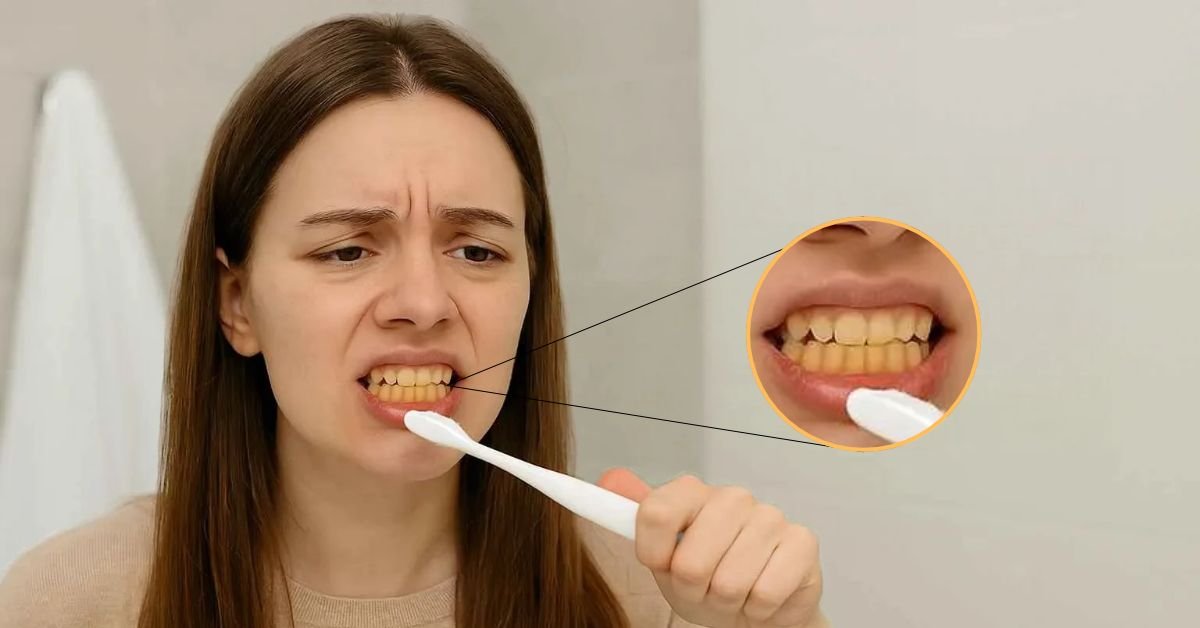
Why Are My Teeth Yellow Even Though I Brush Every Day?
If you brush your teeth regularly but they still look yellow, you are not necessarily doing anything wrong.
There are several possible explanations:
- Natural tooth colour: Your enamel and dentine determine much of your underlying tooth shade.
- Persistent surface stains: Tea, coffee and tobacco can leave stains that regular brushing may not fully remove.
- Tartar: Hardened deposits may need professional removal.
- Age-related changes: Thinner enamel can make the yellowish dentine underneath more visible.
- Internal discolouration: Some colour changes occur within the tooth and may need individual assessment.
The important distinction is between removing external stains and changing the underlying colour of natural teeth.
If your teeth remain yellow despite a consistent oral hygiene routine, a dental examination can help identify the cause and determine the most suitable next step.
How to Whiten Yellow Teeth Safely
The best way to address yellow teeth depends on whether the problem is surface staining, natural tooth colour or another type of discolouration.
1. Improve Your Daily Oral Hygiene
Start with a consistent oral hygiene routine. Brush twice a day for approximately two minutes with fluoride toothpaste and clean between your teeth every day.
This helps remove plaque and reduce the build-up that can affect the appearance and health of your teeth.
However, good brushing cannot change every type of tooth discolouration. If your teeth are naturally yellow, brushing more frequently or applying greater pressure is unlikely to make them significantly whiter.
2. Consider Professional Teeth Cleaning
If yellow or brown marks are caused by plaque, tartar or removable surface stains, a dentist or dental hygienist can assess whether professional cleaning may help.
A scale and polish removes plaque and tartar, while certain professional cleaning techniques can also help reduce some external staining.
Professional cleaning and teeth whitening are not the same treatment. Cleaning addresses deposits and surface stains; whitening uses an appropriate whitening agent to lighten the colour of natural teeth.
Your dental professional can explain which option is more suitable for your needs.
3. Understand What Whitening Toothpaste Can Do
Some whitening toothpastes help remove surface stains, making teeth look cleaner or brighter. Their effect depends on the product and the type of staining.
They do not necessarily change the underlying colour of natural teeth in the same way as bleaching treatments.
Choose an appropriate toothpaste and follow the manufacturer’s instructions. Avoid abrasive DIY methods that could damage enamel or irritate your gums.
4. Explore Dentist-Supervised Teeth Whitening
If your teeth are healthy but you would like a lighter shade, professional teeth whitening may be an option.
Depending on your circumstances, a dentist may recommend a supervised home-whitening kit with custom-fitted trays or an appropriate in-practice treatment.
Before whitening, the dentist should examine your teeth and gums and discuss:
- What is causing the discolouration.
- Whether whitening is suitable for you.
- The likely degree of colour change.
- Potential sensitivity and gum irritation.
- The limitations of whitening and how long the results may last.
Results vary from person to person. Whitening can lighten natural teeth, but it does not whiten crowns, veneers, dentures or fillings. Existing dental restorations may therefore look different from your natural teeth after treatment.
In the UK, tooth whitening should be provided by a registered dental professional in accordance with the applicable regulations. Avoid unregulated whitening services and products that may damage your teeth or gums.
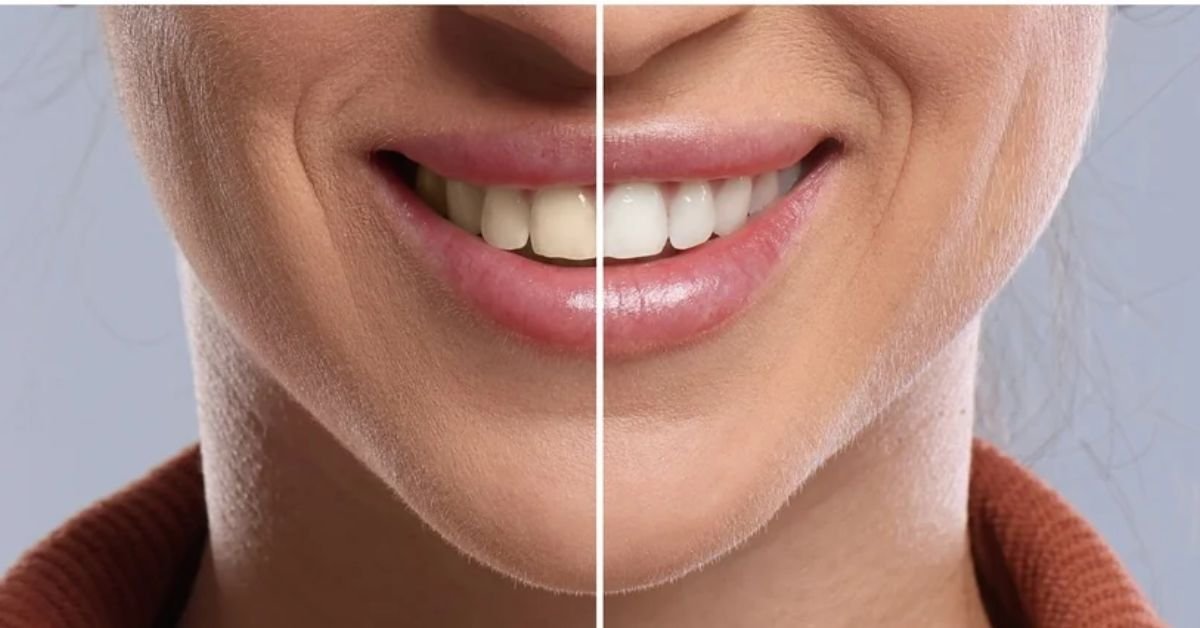
Can Yellow Teeth Become White Again?
Yes, yellow teeth can sometimes become noticeably lighter, but the result depends on the cause of the discolouration.
However, whitening cannot guarantee a particular shade, and some types of discolouration may respond less predictably. Crowns, veneers and fillings will not change colour through conventional tooth whitening.
A dental assessment is the best way to understand what results may be realistic for your teeth.
How Long Does Teeth Whitening Last?
The results of teeth whitening are not permanent. Your teeth may gradually become darker again as you age or continue consuming staining foods and drinks.
How long the results last depends on factors such as your natural tooth shade, oral hygiene, diet, smoking habits and the whitening treatment used.
You can help maintain the appearance of your teeth by:
- Brushing twice daily with fluoride toothpaste.
- Cleaning between your teeth every day.
- Reducing frequent exposure to staining drinks.
- Avoiding smoking and tobacco.
- Following your dentist’s advice about any maintenance treatment.
Do not repeat whitening treatments more frequently than recommended by your dental professional.
When Should You See a Dentist About Yellow Teeth?
If your teeth have gradually become yellow and you have no other symptoms, you can arrange a routine dental appointment to discuss your concerns.
However, seek dental advice if you notice:
- One tooth is becoming darker than the others.
- A sudden change in tooth colour.
- Toothache or persistent sensitivity.
- Brown or black spots that may indicate decay.
- Swollen or bleeding gums.
- Discolouration following a dental injury.
These changes should not automatically be treated as a cosmetic problem. Your dentist can investigate the cause and recommend appropriate care.
Concerned About Yellow Teeth?
Yellow teeth do not always indicate poor oral hygiene. They can result from surface stains, natural tooth colour, ageing or other changes affecting the teeth. The most effective way to improve their appearance is to identify the underlying cause rather than relying on aggressive brushing or unproven home remedies.
If your teeth remain yellow despite good oral hygiene, a dental professional can help you understand your options and decide whether professional cleaning, whitening or another treatment is suitable.
If you are considering professional teeth whitening, contact Langley Road Dental Practice to discuss your options and arrange an assessment.
