

Toothache: Causes, Treatment & When to See a Dentist
A toothache can range from mild discomfort to severe, throbbing pain that affects your sleep, eating and everyday activities. Whether you experience a sharp pain when drinking something cold or a persistent ache that will not go away, understanding the possible cause is the first step towards getting the right treatment.
What causes a toothache?: Common causes include tooth decay, a cracked tooth, gum disease, a damaged filling or a dental infection. While temporary measures may help ease discomfort, persistent tooth pain should not be ignored.
At Langley Road Dental Practice, we provide general dentistry to help patients maintain healthy teeth and gums, identify dental problems and explore appropriate treatment options.
What Causes a Toothache?
Toothache can develop for several reasons. Identifying the underlying problem is important because the right treatment depends on what is causing the pain.
1. Tooth Decay
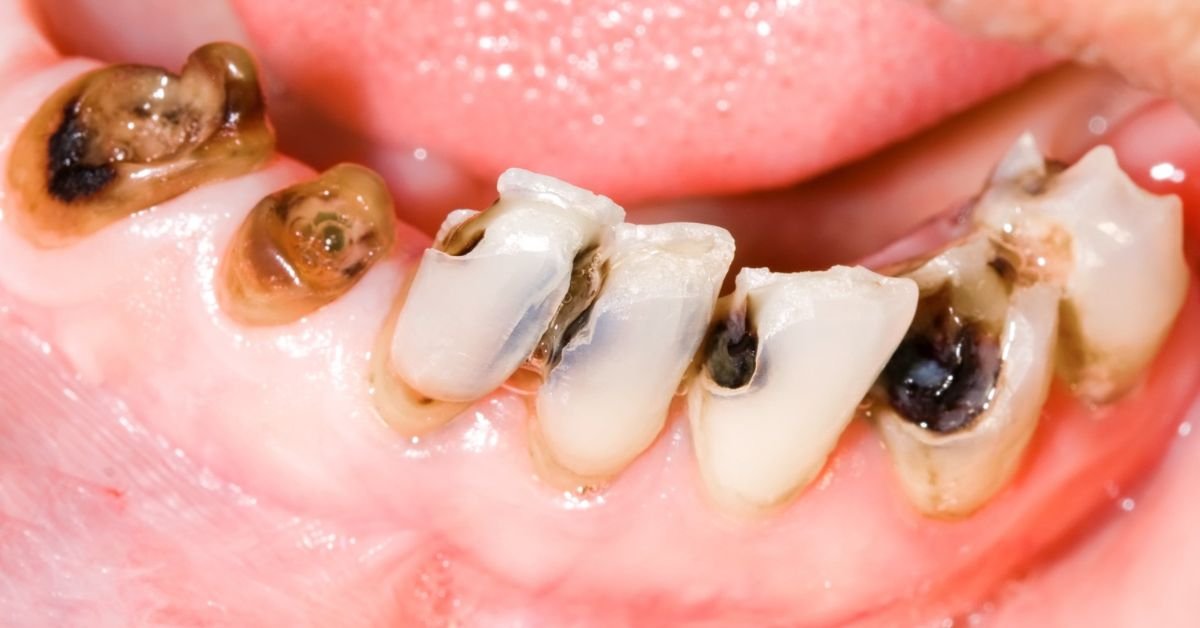
Tooth decay is one of the most common causes of toothache. It occurs when acids produced by bacteria gradually damage the tooth’s protective enamel, potentially creating a cavity.
You may experience:
- Sensitivity to hot, cold or sweet foods and drinks.
- Sharp or lingering tooth pain.
- Discomfort when chewing.
- A visible hole or dark spot on the tooth.
A dentist may recommend a filling if decay has damaged the tooth. More advanced decay may require other treatment.
2. Dental Abscess or Infection
A dental abscess is a collection of pus caused by a bacterial infection in or around a tooth or gum. It can cause intense, persistent toothache and requires urgent dental assessment.
Possible symptoms include:
- Throbbing tooth pain.
- Swollen or tender gums.
- A bad taste in your mouth.
- Facial or jaw swelling.
- Fever or difficulty opening your mouth.
Do not try to treat a suspected dental abscess at home. Contact a dentist urgently, as the infection will not resolve on its own.
3. Cracked or Damaged Tooth
A cracked, chipped or broken tooth can expose sensitive inner layers and cause pain when biting or chewing. Small cracks may not be visible, so a dental examination may be needed to identify the problem.
Depending on the damage, treatment may include a filling, crown or root canal treatment.
4. Gum Disease
Gum disease affects the tissues supporting your teeth. Early signs may include bleeding, redness and swelling, while more advanced disease can cause gum recession, loose teeth and discomfort.
Maintaining good oral hygiene and attending regular dental check-ups can help identify gum problems before they progress.
5. A Damaged or Loose Filling
A filling can wear down, crack or become loose over time. When this happens, the affected tooth may become sensitive or painful, particularly when eating.
A dentist can assess the tooth and determine whether the filling needs repair or replacement.
6. Sensitive Teeth
If you experience a sharp pain when eating ice cream, drinking hot tea or consuming cold drinks, you may have sensitive teeth.
Sensitivity can be associated with enamel wear, exposed tooth roots, gum recession or tooth decay. Using toothpaste designed for sensitive teeth may help, but persistent or localised sensitivity should be assessed by a dentist.

Why Does My Tooth Hurt When I Bite Down?
Tooth pain when biting down can indicate an underlying dental problem, such as a cracked tooth, tooth decay, inflammation around the root or a damaged filling.
You might notice pain only when chewing, or when you release your bite. Although the discomfort may come and go, it does not necessarily mean the problem is minor.
Arrange a dental assessment if biting causes pain, especially if the discomfort persists or becomes worse. Early diagnosis can help identify suitable treatment and prevent further damage.
Why Is My Toothache Worse at Night?
Toothache at night can feel particularly uncomfortable because it may become more noticeable when you lie down or when there are fewer distractions.
Possible causes include tooth decay, inflammation inside the tooth, a cracked tooth or a dental infection.
To manage discomfort while waiting for dental care, you can:
- Keep your head slightly elevated when resting.
- Avoid chewing on the affected side.
- Avoid foods and drinks that trigger sensitivity.
- Consider an appropriate over-the-counter painkiller, following the packet instructions and advice from a pharmacist if needed.
These measures may provide temporary relief, but they will not treat the underlying cause. Contact a dentist if the pain persists, disrupts your sleep or becomes severe.
How to Relieve Toothache at Home?
If you are wondering how to relieve toothache, a few simple measures may help reduce discomfort while you arrange a dental appointment.
Try the following:
- Rinse with warm salt water: Dissolve half a teaspoon of salt in a glass of warm water, rinse and spit it out. Do not swallow it, and do not use this method for young children who may swallow the water.
- Choose soft foods: Eat foods that require minimal chewing and avoid biting down on the painful tooth.
- Avoid triggers: Very hot, cold or sugary foods and drinks may make tooth pain worse.
- Maintain gentle oral hygiene: Brush carefully with a soft toothbrush and continue cleaning your teeth without irritating the affected area.
- Use suitable pain relief: Ask a pharmacist about an appropriate painkiller if you are unsure which medicine is safe for you.
Avoid placing aspirin directly against the tooth or gum, as this can damage the tissue.
Important: Home remedies are temporary measures, not a substitute for dental treatment. If your toothache lasts more than two days, or you have worsening pain or other concerning symptoms, seek dental advice sooner rather than waiting.
When Should You See a Dentist for Toothache?
You should arrange a dental appointment if you experience:
- Toothache lasting more than one or two days.
- Pain that does not improve with appropriate pain relief.
- Pain when biting or chewing.
- Persistent sensitivity to hot or cold foods.
- Red, swollen or bleeding gums.
- A broken tooth or damaged filling.
- A bad taste in your mouth or suspected dental infection.
Seek urgent dental care in Langley if you have severe or worsening toothache, facial swelling, fever or symptoms suggesting a dental abscess.
If swelling around your mouth or neck makes it difficult to breathe, swallow or speak, seek emergency medical help immediately.
Getting the problem assessed early can help prevent complications and identify the treatment you need.

What Treatments Are Available for Toothache?
Toothache treatment depends on the cause, the extent of the damage and the condition of the affected tooth. Your dentist will examine your teeth and gums and may recommend dental X-rays where appropriate.
Treatment options may include:
Dental Fillings
If tooth decay has created a cavity, a filling may be used to remove the damaged area and restore the tooth’s structure.
Root Canal Treatment
If the soft tissue inside a tooth becomes infected or severely inflamed, root canal treatment may help remove the affected tissue and preserve the natural tooth.
Dental Crowns
A crown may be recommended to protect and restore a weakened or significantly damaged tooth.
Gum Treatment
If gum disease is contributing to your symptoms, your dentist may recommend professional cleaning, improved oral hygiene and further periodontal treatment where necessary.
Tooth Extraction
If a tooth is too damaged to be restored, extraction may be necessary. Your dentist will discuss the available options after assessing the tooth.
The most appropriate treatment can only be determined after a proper dental examination.
How Can General Dentistry Help Prevent Toothache?
Regular general dentistry appointments can help detect problems before they develop into painful or more complex conditions.
Preventive dental care may include routine dental examinations, professional cleaning, oral hygiene advice and early treatment of tooth decay or gum disease.
To reduce your risk of toothache:
- Brush twice a day for two minutes using fluoride toothpaste.
- Clean between your teeth daily with floss or interdental brushes.
- Reduce the frequency of sugary foods and drinks.
- Attend regular dental check-ups based on your dentist’s advice.
- Seek an assessment when you notice new or persistent tooth pain.
Maintaining these habits can support your long-term oral health, although no routine can prevent every dental problem.
Get Help with Toothache at Langley Road Dental Practice
Toothache can interfere with your daily routine and may indicate a problem that needs professional attention. Finding the cause early can help you understand your treatment options and protect your oral health.
At Langley Road Dental Practice, our general dentistry services include routine dental care and restorative treatments to help address a range of dental concerns. We can assess your symptoms, explain our findings and discuss an appropriate treatment plan.
If you are experiencing persistent tooth pain, sensitivity or discomfort when chewing, contact our team to arrange a dental appointment.
