
Do You Need a Root Canal?
Persistent toothache, sensitivity to hot or cold, or swollen gums can be signs of a problem inside your tooth. Recognising common root canal symptoms early can help you understand when to seek dental advice.
The dental pulp contains nerves and blood vessels. When it becomes irreversibly inflamed, damaged or infected, root canal treatment may be recommended to save the affected tooth.
At Langley Road Dental Practice, we encourage patients experiencing persistent tooth pain or unusual dental symptoms to seek professional advice. Read on to discover seven common root canal symptoms and when to see a dentist in Langley or Slough.
7 Common Root Canal Symptoms to Look Out For
1. Persistent or Throbbing Toothache
One of the most common root canal symptoms is a toothache that does not go away. The pain may feel dull, sharp or throbbing, and it can sometimes spread to your jaw or surrounding teeth.
You might notice that the pain becomes worse at night or interrupts your sleep. Pain that continues without an obvious trigger may indicate inflammation or damage to the dental pulp.
However, toothache can also result from tooth decay, a cracked tooth or gum disease. A dental examination is needed to identify the cause.
What Should You Do?
If your toothache persists or keeps returning, arrange a dental appointment to identify the cause. Avoid chewing on the affected tooth if it is painful, and do not rely on pain relief to delay dental assessment.
2. Lingering Sensitivity to Hot or Cold
Do you experience sharp tooth pain when drinking hot tea or eating ice cream? Sensitivity is common, but pain that continues after the hot or cold stimulus has been removed may indicate a deeper problem.
These root canal pain symptoms can occur when the nerves inside the tooth become inflamed or damaged.
Brief sensitivity does not necessarily mean you need root canal treatment. However, if the discomfort lasts longer than usual, becomes more intense or affects your daily routine, arrange an appointment with your dentist.
What Should You Do?
Try avoiding very hot or cold foods and drinks until your tooth has been assessed. If sensitivity lingers after the trigger is removed or becomes more severe, arrange a dental examination to determine whether the pulp is affected.
3. Pain When Biting or Chewing
Pain when biting down or chewing food can be another warning sign. You may notice discomfort when eating on one side of your mouth or when pressure is applied to a particular tooth.
Possible causes include inflammation around the tooth root, a cracked tooth, advanced decay or other dental problems.
If chewing becomes uncomfortable or the pain persists, a dentist can examine the tooth and determine whether further treatment is needed.
What Should You Do?
Avoid hard foods and chewing directly on the painful tooth until you have received dental advice. Pain when biting can have several causes, including a cracked tooth or inflammation around the root, so a dentist needs to assess the problem.
4. Swollen or Tender Gums Around a Tooth
Gums that appear swollen, red or tender around a particular tooth may indicate inflammation or infection.
You might also notice discomfort when touching the area or brushing your teeth. In some cases, swelling develops near the root of an infected tooth.
Swollen gums can have several causes, so they should not automatically be considered proof of a root canal infection. Seek prompt dental advice, particularly if the swelling is increasing or accompanied by pain.
What Should You Do?
Keep the area clean by brushing gently with a soft-bristled toothbrush, but do not press or massage the swelling. Contact nearby dentist in Slough promptly, especially if the swelling is increasing or accompanied by toothache or fever.
5. A Small Pimple or Bump on the Gums
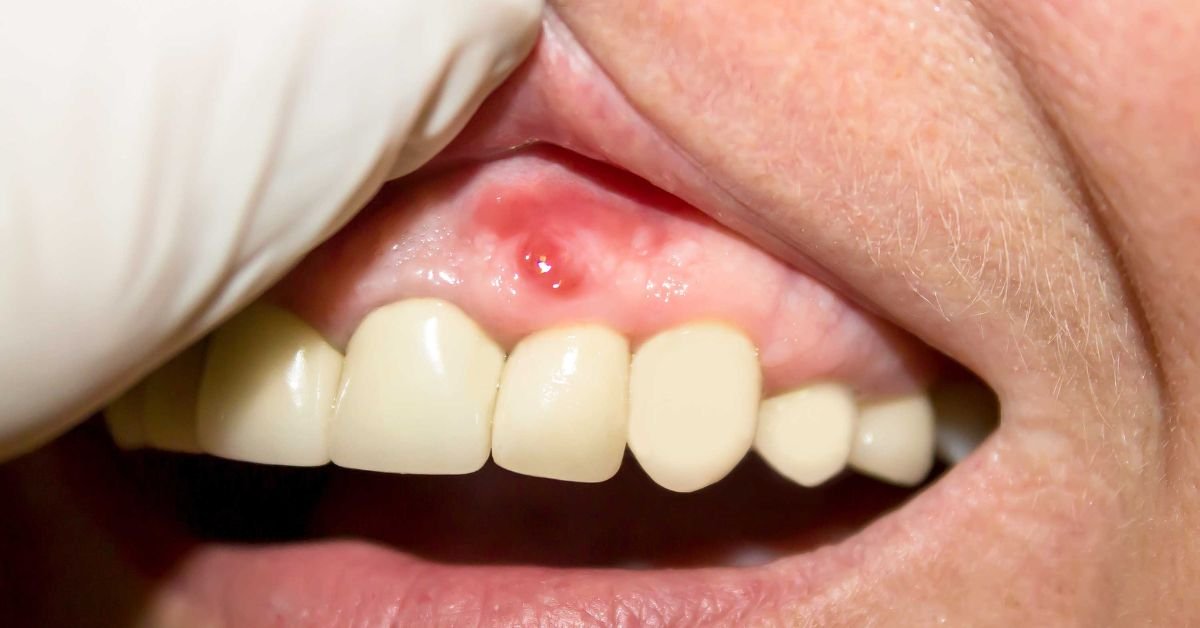
A small bump on the gum near a painful tooth can sometimes indicate a dental abscess or a draining infection. You may notice pus, an unpleasant taste or fluid coming from the area.
Even if the pain decreases after the bump drains, the underlying infection may still be present.
Do not squeeze or attempt to drain the bump yourself. Contact your dentist for an assessment and appropriate treatment.
What Should You Do?
A gum bump that releases pus may indicate a dental abscess and needs urgent dental assessment. Do not squeeze it or attempt to drain it yourself, even if the discomfort temporarily improves.
6. Tooth Discolouration or Darkening
Have you noticed that one tooth has become grey, brown or darker than the surrounding teeth?
Discolouration can sometimes occur when the dental pulp has been damaged following injury, deep decay or infection. However, staining and other dental conditions can also change the appearance of a tooth.
If a single tooth changes colour unexpectedly, particularly after an injury or alongside toothache, arrange a dental examination to establish the cause.
What Should You Do?
If one tooth becomes darker than the surrounding teeth, arrange a dental examination, particularly if the change follows an injury or occurs alongside pain. Discolouration alone does not confirm an infection, and treatment depends on the underlying cause.
7. Bad Taste or Pus Around the Tooth
An unpleasant taste in your mouth, particularly when accompanied by gum swelling or a painful tooth, may be a sign of infection or pus draining from a dental abscess.
Other possible signs include persistent bad breath, tenderness around the affected tooth and swelling in the surrounding gums.
These symptoms should not be ignored. A dental infection may require prompt treatment, even if the pain is mild or has temporarily disappeared.
What Should You Do?
Contact your dentist urgently if you notice pus or a persistent unpleasant taste alongside tooth pain or gum swelling. These may be signs of an infection that needs professional treatment. Do not assume the problem has resolved if the taste or pain disappears.
What Are the Symptoms of a Root Canal Infection?
Root canal infection symptoms can vary from person to person. Some people experience persistent toothache, lingering sensitivity or swelling, while others may have few noticeable symptoms.
An infected dental pulp does not always cause severe pain. A change in tooth colour, a recurring gum bump or an unpleasant taste may also warrant an examination.
These symptoms do not confirm an infection on their own. Your dentist can assess the affected tooth and recommend appropriate treatment.
When Should You See a Dentist?
Do not wait for toothache to become severe before seeking dental advice. Arrange an appointment if you experience persistent pain, prolonged sensitivity, pain when chewing or swelling around a tooth.
Seek urgent dental care if you suspect a dental abscess, particularly if you have pus, increasing swelling or a fever. A dental abscess requires prompt professional treatment and will not usually resolve on its own.
When to seek emergency dental care: If you develop difficulty breathing or swallowing, significant swelling inside your mouth or around your neck, or swelling around your eye that affects your vision, seek emergency medical care immediately.
Your dentist may examine the tooth, assess your symptoms and take dental X-rays when appropriate. These checks help determine whether the problem involves the dental pulp, the root or another part of the tooth.
How Can Root Canal Treatment Help?
Root canal treatment may be recommended when the dental pulp inside a tooth is irreversibly inflamed, infected or damaged. If you are looking for root canal treatment in Langley, Langley Road Dental Practice can assess your symptoms and explain the most appropriate treatment options.
During the procedure, the dentist removes the affected pulp, cleans and disinfects the inside of the tooth, and seals the root canal system. The tooth is then restored to help protect it and restore its function.
Need Advice About Root Canal Symptoms in Langley or Slough?
Getting the problem assessed early can help your dentist identify the cause and discuss suitable treatment options. At Langley Road Dental Practice, our team can assess your dental concerns and advise whether root canal treatment or another approach may be appropriate.
If you are experiencing possible root canal symptoms, contact our practice to arrange a dental assessment.
