
A dental filling can restore a tooth affected by decay, a cavity, wear or minor damage, helping to restore its shape and function while preserving your natural tooth. At Langley Road Dental Practice, we provide restorative dental care for patients looking for dental fillings in Langley, Slough and the surrounding areas.
If you have noticed tooth sensitivity, discomfort when eating or drinking, a visible hole or dark area on a tooth, or an existing filling that has become damaged, a dental examination can help identify the cause and determine whether a filling is suitable for you.
Your dentist will assess the affected tooth, explain the available treatment options and discuss the most appropriate restoration for your individual needs.
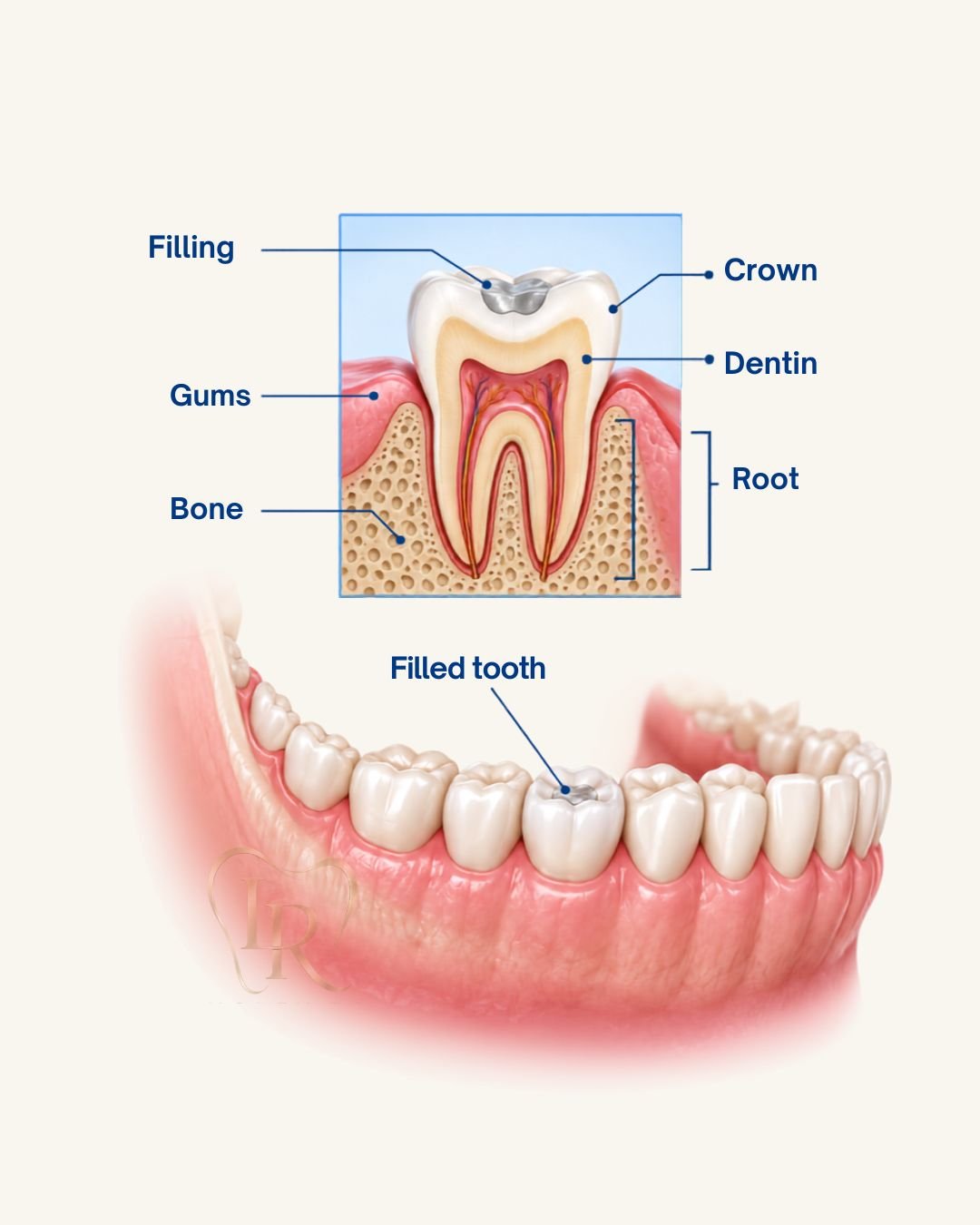
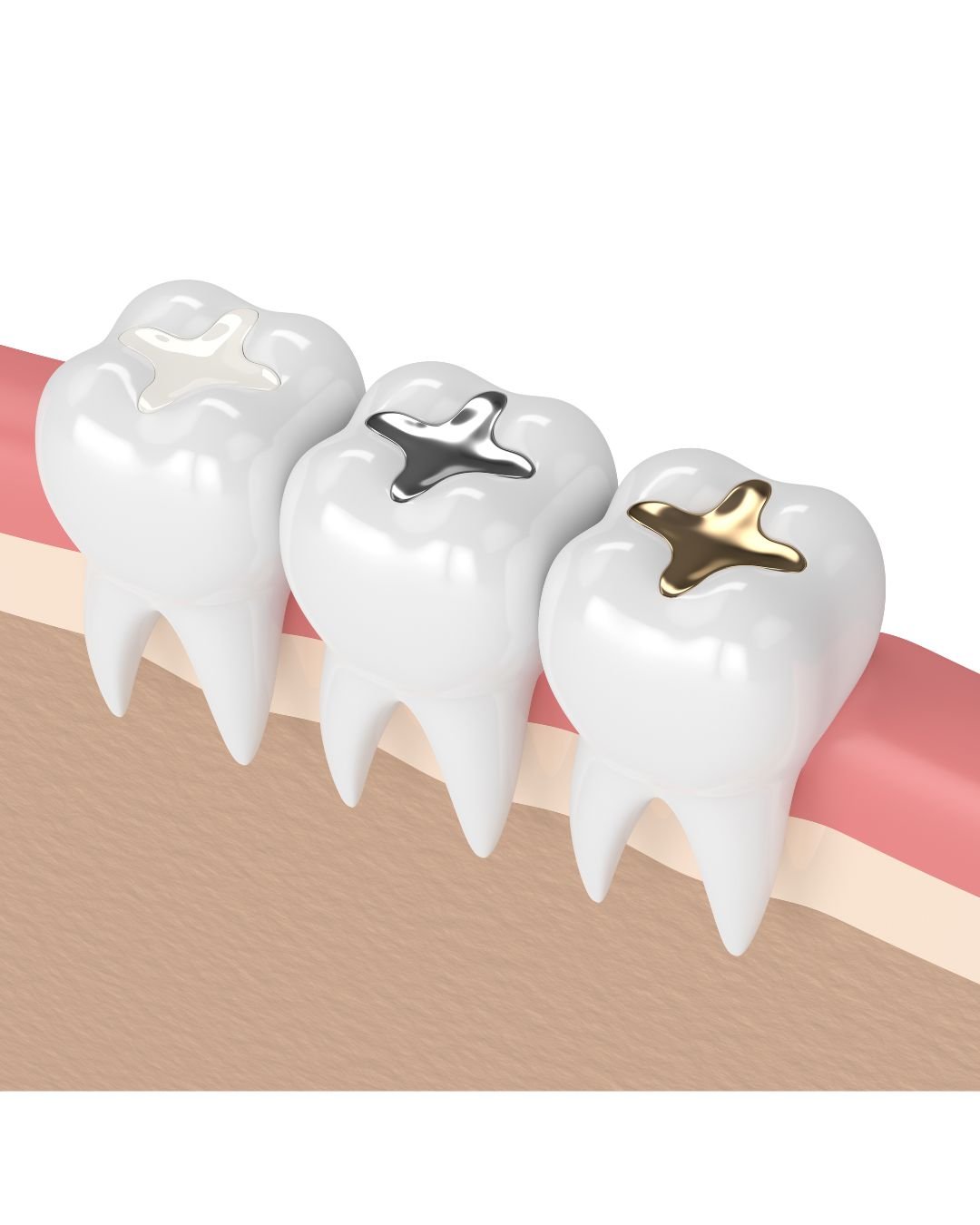
A dental filling is a restoration dentistry used to repair a tooth that has been affected by decay or damage. When decay creates a cavity, the affected part of the tooth can be removed and the space restored with a suitable filling material.
Tooth decay does not always cause noticeable symptoms in its early stages. As decay progresses, it can result in a cavity, toothache or sensitivity to hot, cold or sweet foods and drinks. If a cavity has formed, a filling may be recommended following a dental examination.
Your dentist may recommend a filling when a tooth has been affected by:
A dental examination is important before deciding whether a filling is the appropriate treatment.
Tooth-coloured composite fillings are designed to provide a more discreet alternative to darker-looking restorations.
Composite material can be matched to the colour of your natural teeth, making the restoration less noticeable when you smile or speak. Composite is also used in a range of restorative dental treatments and can be bonded directly to the tooth.
Whether a composite filling is appropriate depends on factors, during your consultation, your dentist can explain the available restoration methods.
Tooth decay and cavities can affect both the health and appearance of your smile. Tooth fillings help restore damaged teeth, protect them from further decay, and bring back their natural function. Depending on the condition of your tooth, your dentist may recommend one of the following types of fillings:
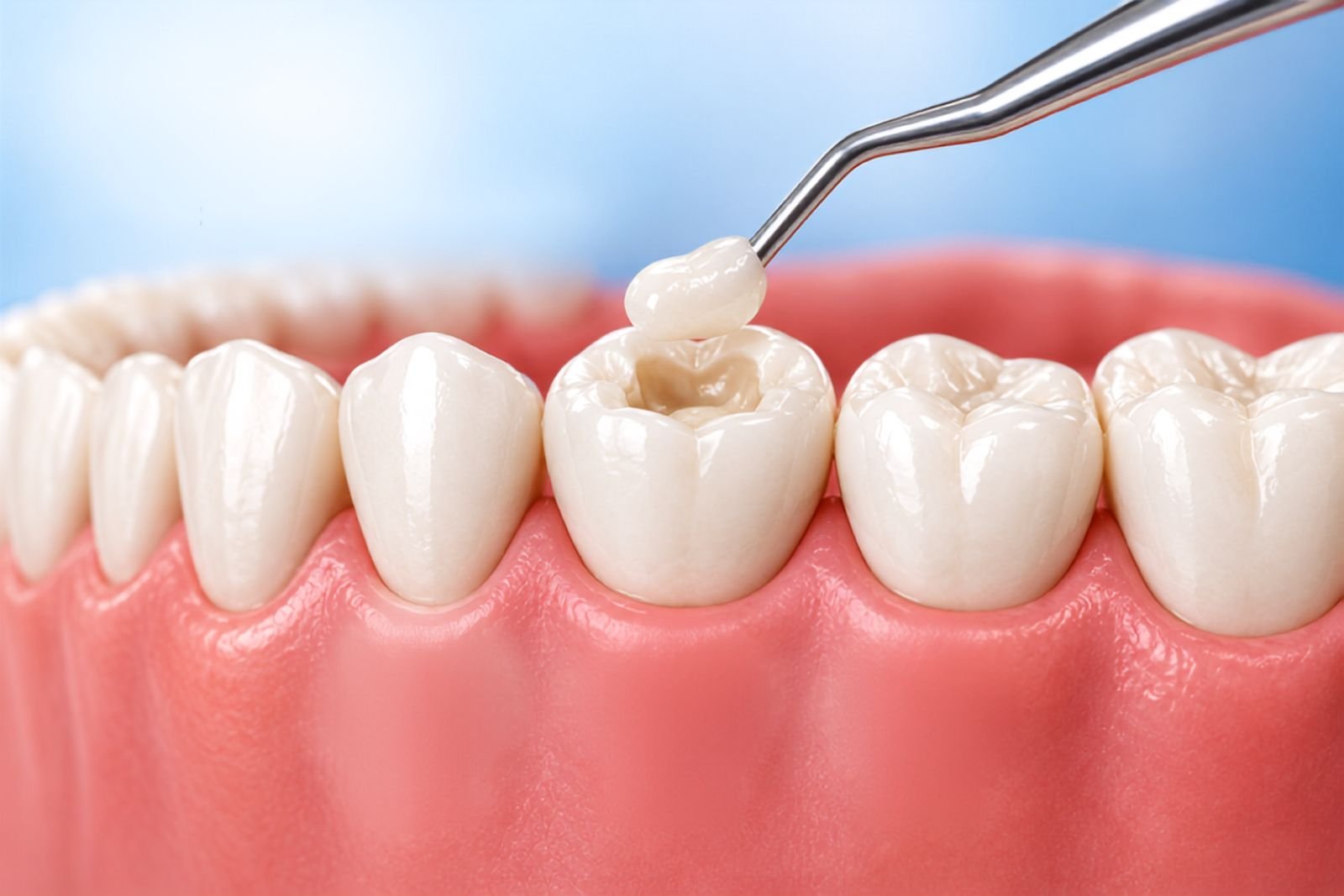
Tooth-coloured composite fillings blend naturally with your teeth and are commonly used to repair cavities, chips, and minor damage.
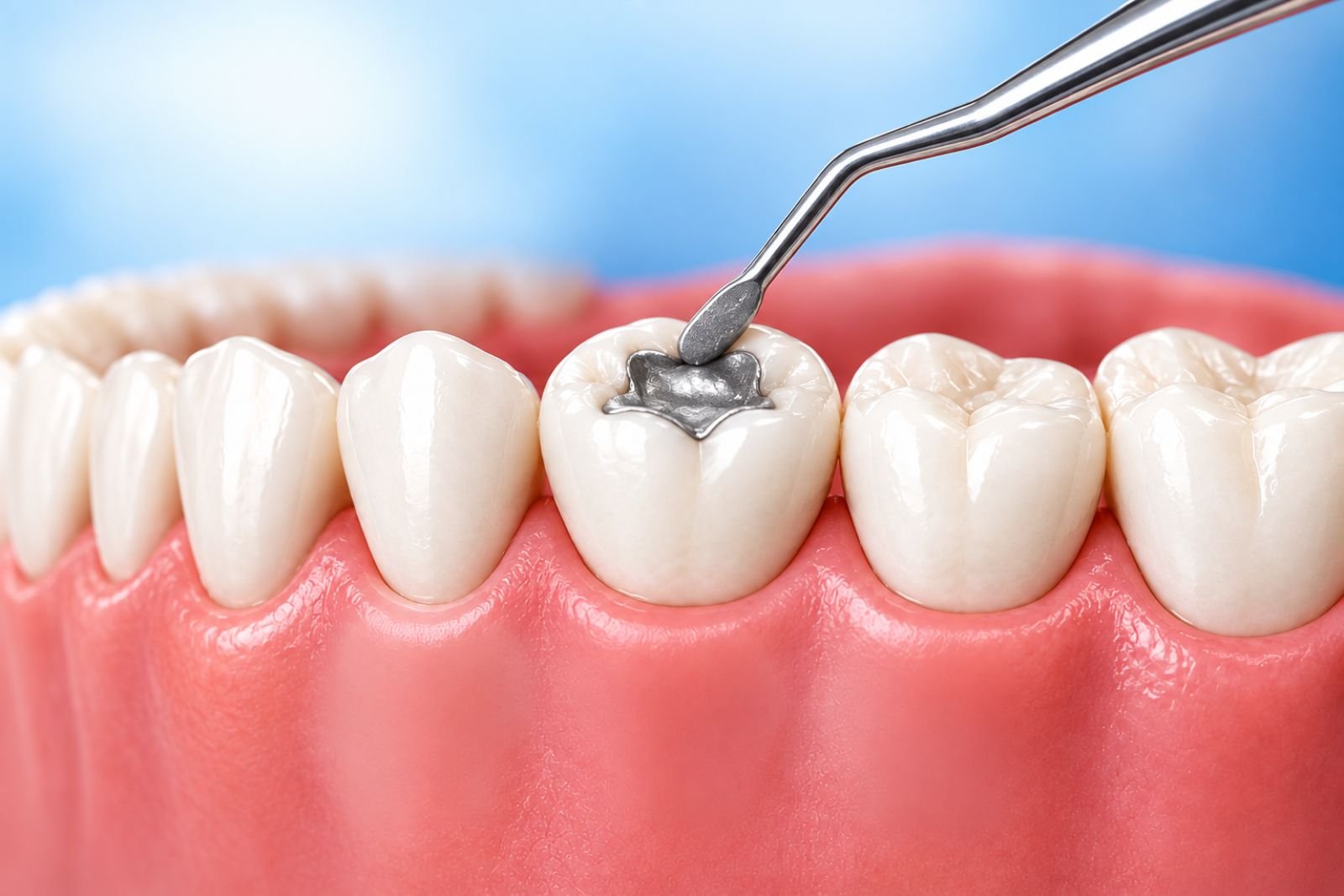
These fillings are made from a durable metal mixture and are traditionally used for restoring cavities, particularly in back teeth.
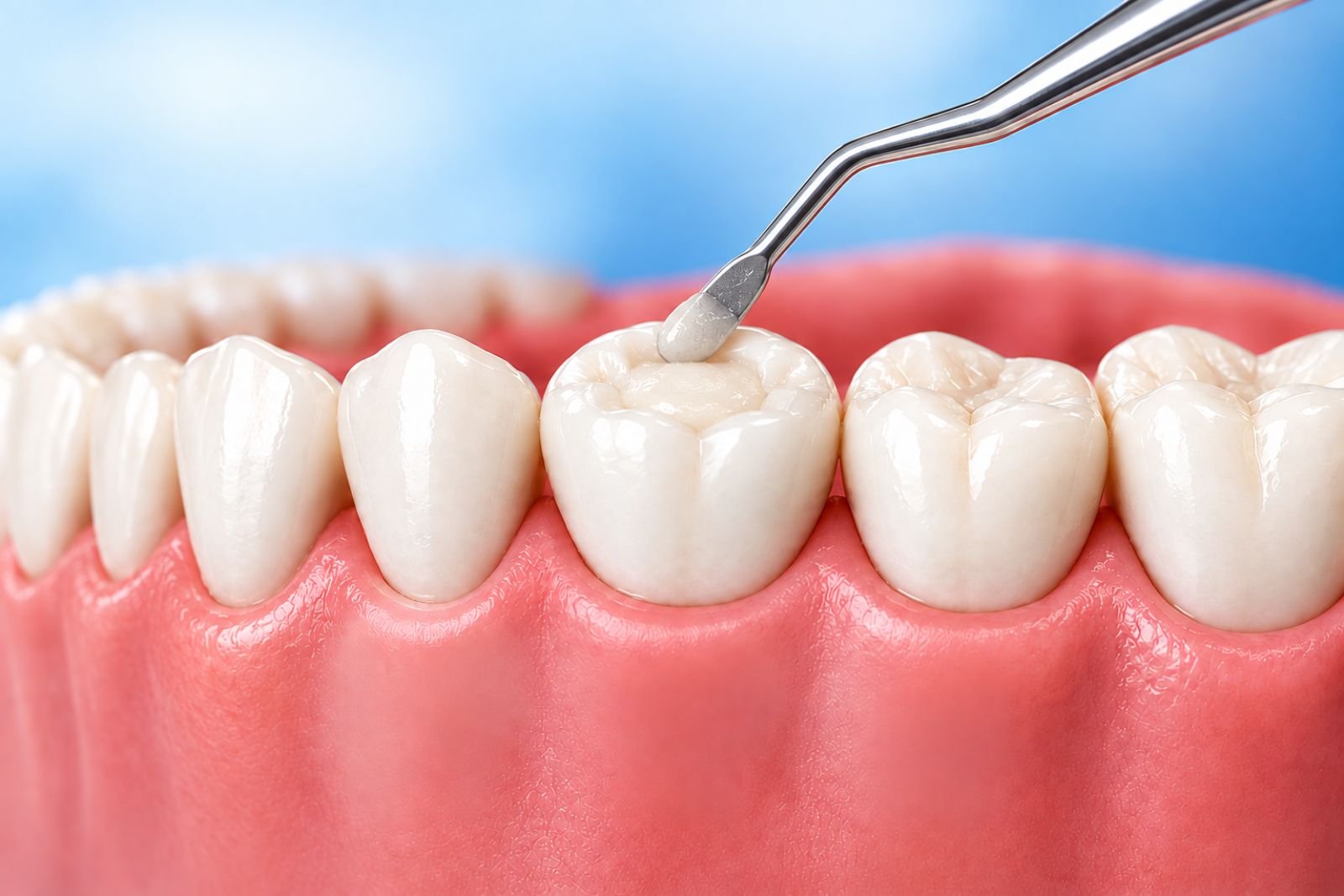
Glass ionomer fillings release fluoride and can help protect teeth from further decay. They are often suitable for smaller restorations.
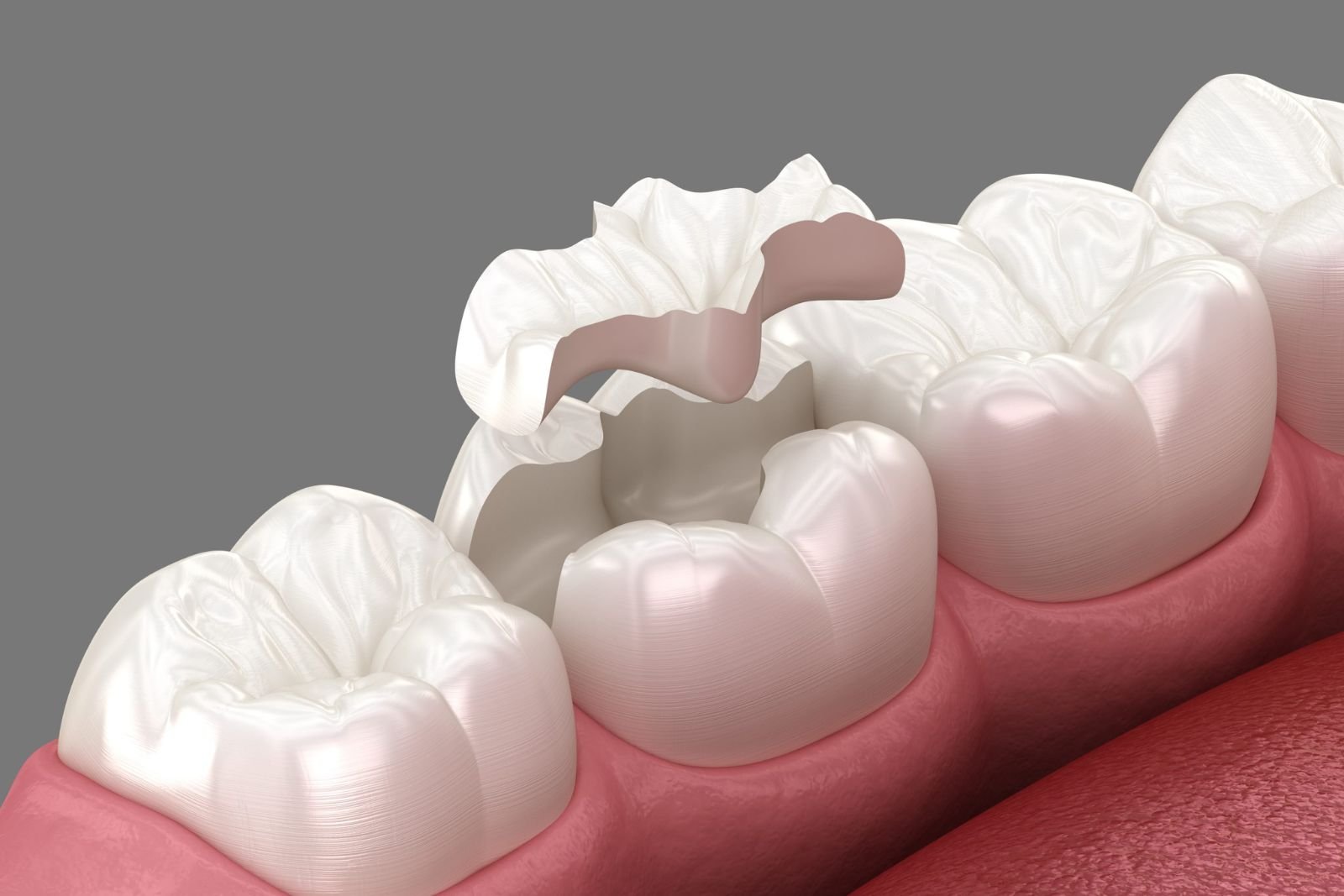
Porcelain fillings provide a natural-looking restoration with excellent durability making them suitable for visible or extensively damaged teeth.
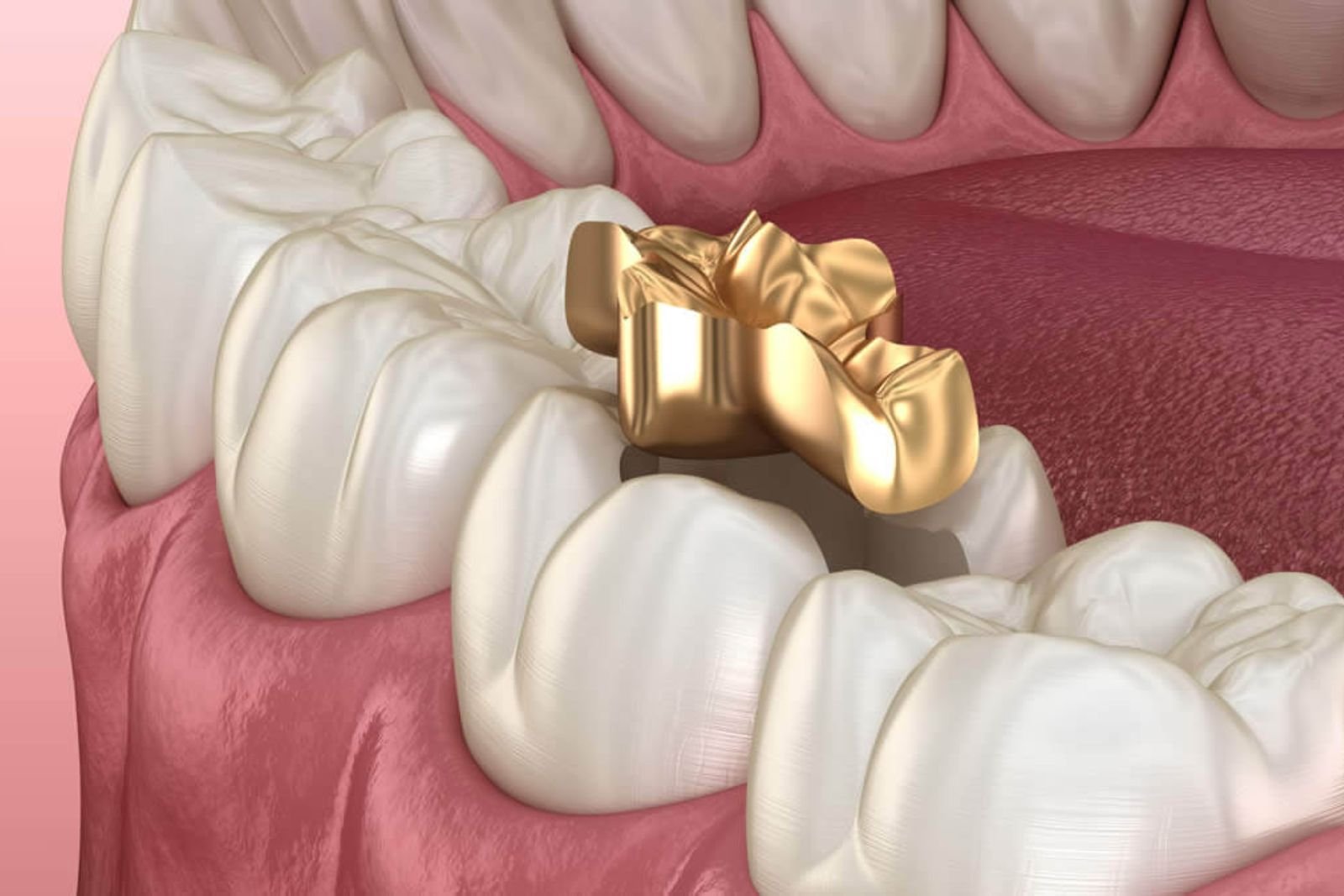
Highly durable and long-lasting, offering excellent resistance to wear with custom-made and generally require multiple dental visits.
If you have a cavity, tooth sensitivity or a damaged filling, speak to our dental team now.
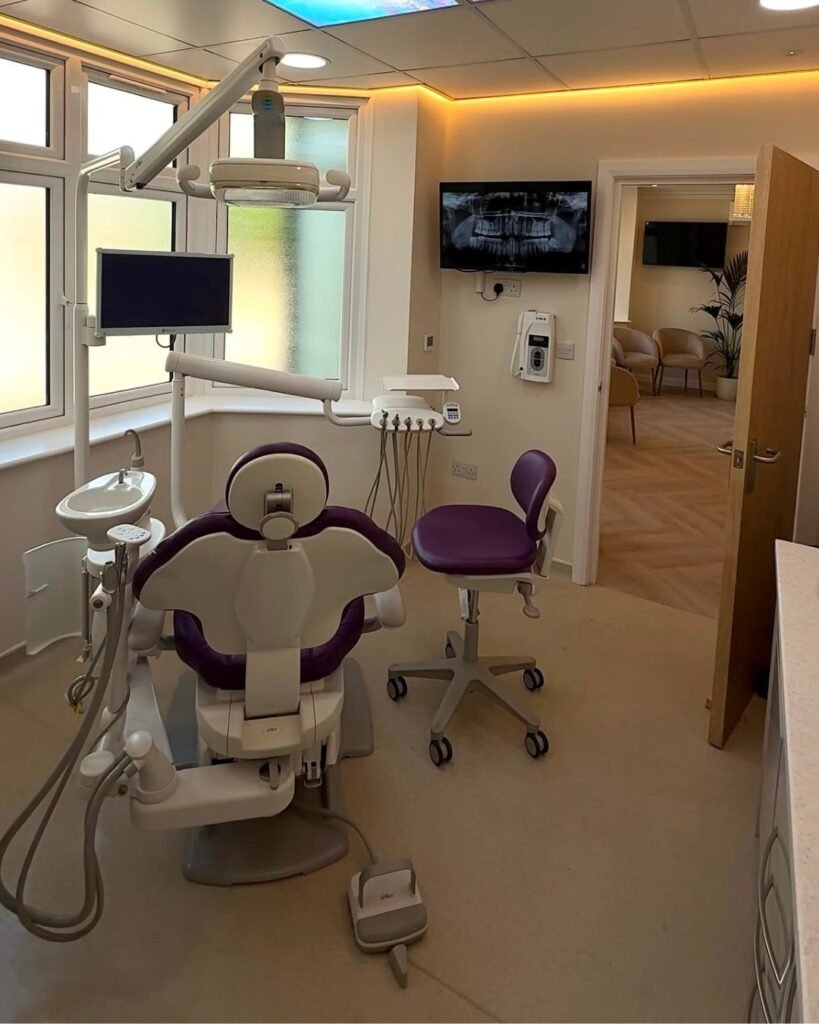
If you live in Langley and have noticed tooth sensitivity, a cavity, toothache or a damaged filling, Langley Road Dental Practice can assess your tooth and discuss appropriate treatment options.
Our practice is located on Langley Road in Slough, making us a convenient option for patients looking for dental care in Langley and the surrounding areas.
Whether you need treatment for a new cavity or have an existing filling that requires assessment, our dental team can explain the condition of your tooth and the available restorative options.
If you are looking a dentist for dental fillings in Langley, arrange an appointment with Langley Road Dental Practice for an assessment.
Patients looking for dental fillings in Slough can also visit Langley Road Dental Practice for assessment and restorative dental care.
Tooth decay can sometimes develop without obvious symptoms, which is why regular dental examinations are important. If you are experiencing sensitivity, discomfort or notice a change in a tooth, your dentist can assess the area and determine whether treatment is required.
At your appointment, dentist in Slough for a tooth filling will explain the condition of the affected tooth and discuss the most appropriate treatment for your individual needs.

If your dentist recommends a filling, the treatment will usually involve several stages.
Your dentist will examine the affected tooth and assess your overall oral health. Depending on your symptoms and clinical findings, an X-ray may also be recommended to help assess areas that cannot be seen during the examination.
Your dentist will explain what has been found and discuss the appropriate treatment options with you. You can ask questions about the procedure, materials, expected outcome and any associated costs before deciding how to proceed.
Local anaesthetic may be used where appropriate to numb the area around the tooth and help keep you comfortable during treatment.
The dentist removes the decayed or damaged portion of the tooth where necessary and prepares the remaining tooth structure for the restoration.
The selected filling material is placed into the prepared area of the tooth. With composite fillings, the material can be shaped to restore the tooth's appearance and function.
Once the filling has been placed, your dentist will shape and finish the restoration. Your bite will also be checked to make sure the restored tooth feels comfortable.
Speak with our dental team about the right treatment for your tooth.
Many fillings can be carried out using local anaesthetic to numb the treatment area.
You may experience some pressure or sensation during the procedure, but your dentist will take steps to keep you comfortable and can discuss any concerns you have before treatment. Some patients may notice temporary sensitivity after a filling.
If you experience persistent or worsening pain, significant sensitivity or other concerns following treatment, contact your dental practice for advice.

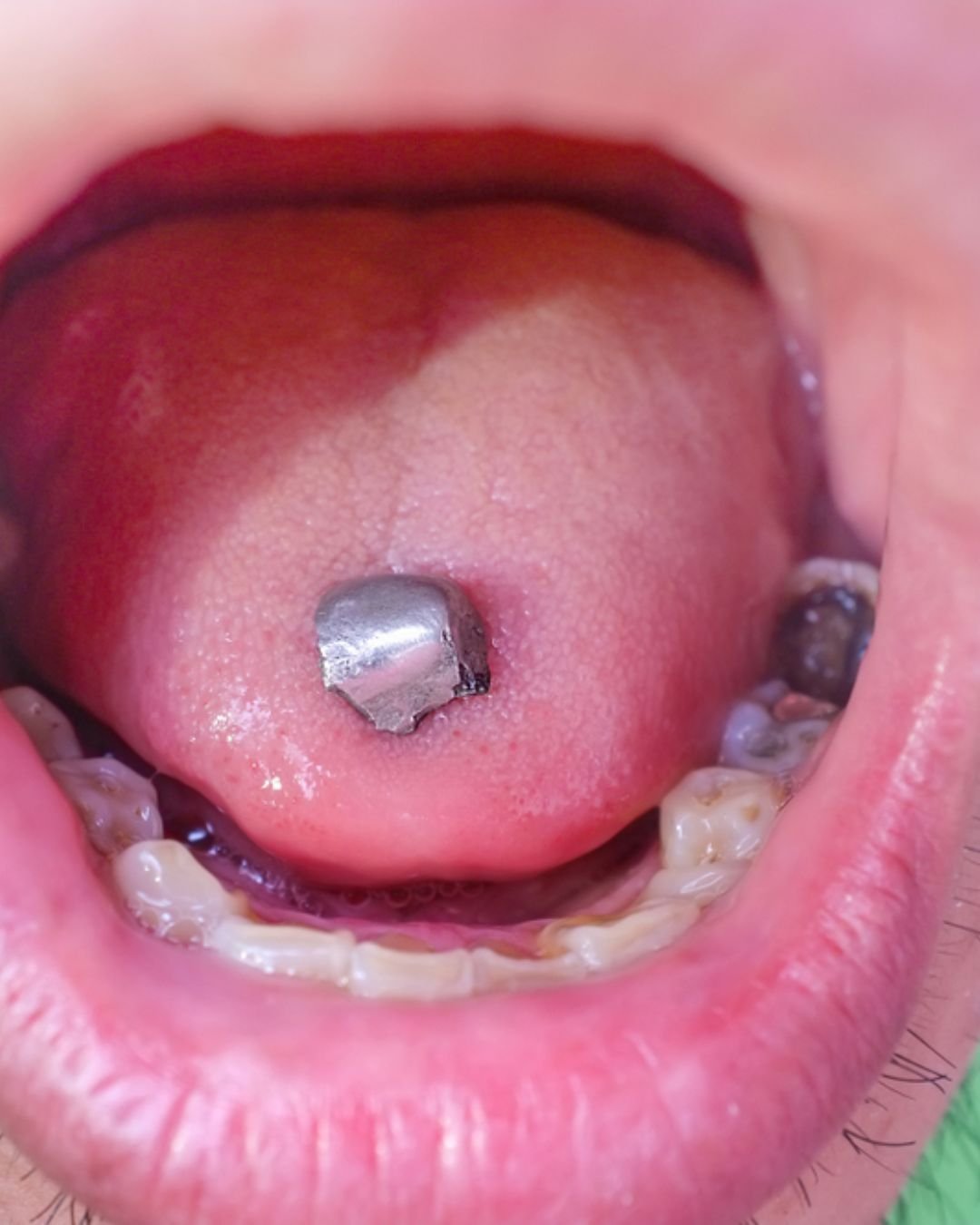
If an existing filling becomes loose or falls out, arrange a dental assessment rather than ignoring the problem.
A lost filling can leave part of the tooth exposed and may result in sensitivity or discomfort. Depending on the condition of the tooth, your dentist may recommend repairing or replacing the filling, or another restoration if more extensive tooth structure has been lost.
Until you can be assessed:
If you develop significant pain, swelling or other urgent symptoms, seek prompt dental advice.
The cost of a dental filling depends on the type of filling required and the individual treatment needs of your tooth. At Langley Road Dental Practice, our current tooth filling fees start from:
After your filling, your dentist will provide advice appropriate to your treatment. To help maintain your restoration and your natural teeth:
Good oral hygiene is important because new tooth decay can develop around or alongside existing restorations. The NHS recommends brushing at least twice a day with fluoride toothpaste and cleaning between the teeth every day.
Tooth decay can worsen without treatment, potentially leading to larger cavities, infection, or tooth loss. Treating decay early can help preserve your natural tooth and reduce the need for more complex procedures. Regular dental check-ups also help identify new decay and monitor existing fillings before problems become more serious.
Dr Ajay Menon
Principal Dentist
GDC No: 104316
Priya Menon
Hygienist/Therapist
GDC no. 289125
Children can also develop tooth decay, and early assessment can help identify problems before they become more extensive.
If your child has tooth sensitivity, toothache, visible changes to a tooth or difficulty eating comfortably, arrange a dental assessment.
Your dentist can assess your child’s teeth and recommend an appropriate treatment or preventive approach based on their age, oral health and individual needs.
If you have a cavity, tooth sensitivity or a damaged filling, speak with Langley Road Dental Practice to explore your dental filling options in Langley or Slough.
162 Langley Road Langley,
Berkshire SL3 7TG
Telephone
Opening Hours
Monday–Friday: 9:00 AM–5:00 PM
Evenings and weekends: By special request
A dental filling is a restoration used to repair a tooth affected by decay or damage. The damaged area is treated and restored with an appropriate filling material.
Tooth sensitivity, toothache, sensitivity to hot or cold foods, a visible cavity or a damaged existing filling can indicate that you should have your tooth assessed. However, some cavities cause no symptoms, so regular dental examinations are important.
White fillings are commonly made using tooth-coloured composite materials. Your dentist can explain which filling material is suitable for your particular tooth.
Treatment time varies depending on the size and location of the cavity, the condition of the tooth and the type of restoration required. Your dentist can advise you after assessing the tooth.
Yes. Fillings can become damaged or loose over time. If your filling falls out, arrange a dental appointment so the tooth can be assessed and repaired or restored where appropriate.
A filling can restore a tooth when a cavity has developed and the tooth is suitable for restoration. The appropriate treatment depends on how extensive the decay is.
Your dentist will advise you based on the type of filling and treatment provided. If local anaesthetic has been used, take care until normal sensation returns so that you do not accidentally bite your cheek, lip or tongue.
If decay reaches the pulp inside the tooth and causes infection or significant damage, root canal treatment may be required instead of a simple filling. In some circumstances, extraction may be considered.
Not necessarily. Existing fillings can be monitored during routine examinations. If a filling develops wear, fracture, leakage or recurrent decay, your dentist will assess whether monitoring, repair, refurbishment or replacement is appropriate.
If you are experiencing tooth sensitivity, toothache, a suspected cavity or a damaged filling, don’t wait for the problem to become more uncomfortable.